24-Hour Breakdown Assistance on the Mid North Coast
Get back on the road fast with North Coast Heavy Diesel — a fully equipped mobile workshop delivering 24-hour breakdown help and expert diesel repairs wherever you are on the North Coast.
We're There, Where & When It Matters
Breakdowns never happen when it's convenient. One minute you’re on the road or mid-job, the next you’re stranded in the middle of nowhere with a load that needs delivering and a looming deadline. North Coast Heavy Diesel provides rapid 24-hour breakdown assistance from Thrumster, NSW, supporting operators right across the North Coast and Mid North Coast. Because we’re fully mobile, we can reach you wherever you are and get straight into diagnosis and repair, instead of wasting hours waiting for towing or a workshop opening up. We get your job back underway safely with the issue fixed properly, not just patched enough to limp home.
- Fast callouts any time, day or night
- On-site diagnostics and repairs to minimise downtime
When you’re relying on a vehicle or machine to earn a living, every hour off the road costs money. A quick response plus the right tools on arrival can be the difference between a short delay and a full day lost. Whether it’s a truck, bus, tractor or plant machinery that’s gone down, we’ll work through the fault and get a clear plan in place. If you need breakdown help now, call 0447 070 070 and we’ll get moving your way.
Real Repairs at the Roadside
Qualified Technicians
Thorough Inspections
Rapid Diagnostics
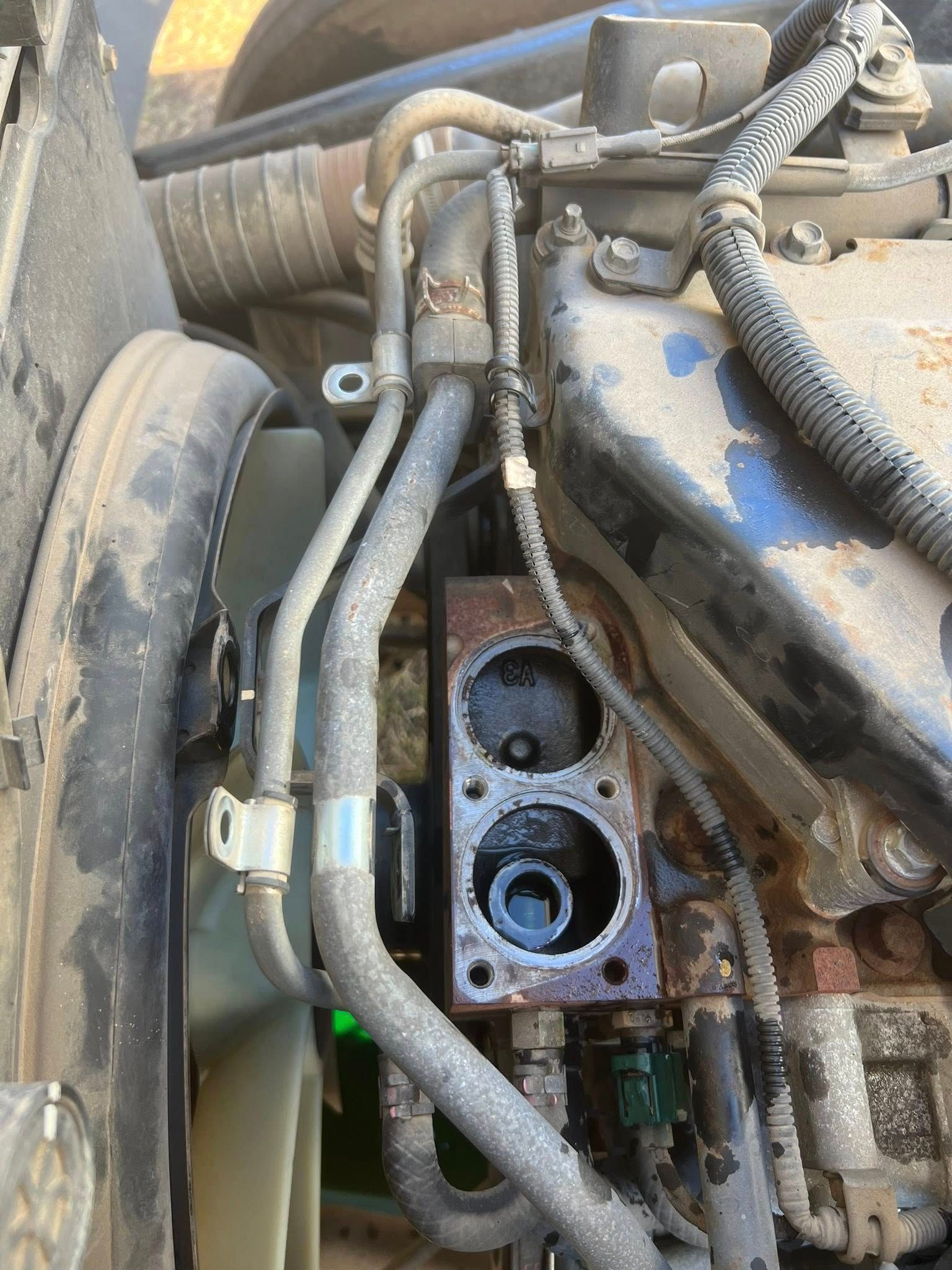
Breakdown assistance is more than just turning up — it’s about finding the cause fast and fixing it right where it sits. Our mobile workshop is set up for mechanical and electrical diagnostic, allowing faults to be tracked down quickly, even when they’re not obvious at first glance. Common issues like fuel delivery problems, overheating, electrical faults, blown hoses, sensor failures or drivetrain trouble can often be handled on site without the vehicle leaving the scene. If a temporary solution is needed to get you to a safe spot, we handle it carefully and with clear advice on the next steps. Our main aim is always to reduce your stress, protect your equipment and get you back to work with confidence.
If you want dependable help when things go wrong, get in touch with us now to line up support.
Get in Touch
Broken down or need urgent help organised? Send through your details and location, and we’ll get back to you straight away.
Contact Us
Thank you for contacting North Coast Heavy Diesel.
We will get back to you as soon as possible.
Oops, there was an error sending your message.
Please try again later.
FAQ
What kinds of breakdowns can be fixed on site?
Many breakdowns can be repaired on site, especially if they involve hoses, belts, fuel system issues, electrical faults, sensors, tyre-related problems or minor mechanical failures. Mobile diagnostics can pinpoint faults quickly, which often allows repairs without towing. Some failures may still need workshop-level work, but on-site help can get the vehicle running enough to reach a safer location. The key benefit is reducing downtime and avoiding unnecessary transport.
How can breakdown risk be reduced over time?
Regular servicing is the biggest factor, because it catches wear and leaks early. Keeping fluids at correct levels, replacing filters on schedule and monitoring tyre pressure also makes a big difference. Paying attention to small changes in performance like hard starts, smoke or power loss helps prevent bigger failures. For fleets and plant, preventative maintenance plans are usually cheaper than repeated emergency callouts.
What should be done first when a diesel vehicle breaks down?
The first priority is safety — pull over or shut down in a safe spot if possible, use hazard lights and keep clear of traffic or moving machinery. Turning the engine off can prevent further damage if there’s overheating, loss of oil pressure or unusual noises. Take note of warning lights, smoke colour, leaks or new sounds, as these details help with diagnosis. If you’re on a job site, secure the area and let others know the equipment is out of action.


